









During shedding season, many dogs experience more changes than are immediately apparent. Yes, there's a lot of hair flying around. But it's often also a time when the body as a whole is working hard. Their metabolism seems to switch to winter mode, their immune system is readjusting, some dogs are more sensitive, others a bit "out of sorts." And sometimes something else happens that initially puzzles many: suddenly, their breath smells stronger. Bad breath in dogs then seems like a new problem, but it's often a sign that several things are happening at once.
In this article, we'll explain why bad breath in dogs can worsen during shedding season , what the most common causes are, what you can do in your daily routine , which home remedies might be helpful, and when it's best to consult a veterinarian . We'll also show you a gentle grooming routine you can do at home so your dog feels comfortable and you don't feel like it's a struggle every time.
Why shedding and bad breath can be related
At first glance, it seems strange. What does fur have to do with breath? The connection is usually not direct, but logical. During shedding season, the body is working on several levels. Skin and coat are remodeled, nutritional needs shift, and many dogs become more sensitive during this time. When the immune system is working harder or the metabolism changes, the oral flora can also change. And this oral flora is often the key when it comes to bad breath.
In addition, there's a very practical effect of spring. Many dogs are spending more time outdoors, nibbling on blades of grass, ingesting more nutrients, perhaps drinking differently, and receiving more frequent snacks on walks. Sometimes they also get more brushing, more petting, more attention, and this is why bad breath becomes noticeable in the first place. Bad breath is often not a sudden phenomenon, but rather something that simply becomes more apparent during a more active period.
And then there's the classic culprit that almost always plays a role: teeth and gums. In most cases, bad breath is caused by bacteria in the mouth, especially in plaque, along the gum line, and between the teeth. If daily oral hygiene isn't consistent, sometimes even a period of increased bodily activity is enough to cause bad breath. This isn't serious, but it's a good time to get your routine back on track.
Bad breath in dogs: causes: the most common everyday triggers
If you Google "bad breath dog," you'll quickly find hundreds of reasons. In practice, however, it's usually a few classic causes that keep cropping up. The most important thing is the mouth itself. Because bad breath most often originates where bacteria can find food and multiply.
Plaque builds up on the front teeth. Food debris and biofilm accumulate, especially along the gum line and on the molars. These areas are warm, moist, and often difficult to see. Bacteria break down these remnants, producing odors. The more plaque, the stronger the breath can smell. This isn't automatically tartar, but it's often the path to it if left untreated.
The gums also play a role. If the gum line is irritated or minor inflammation develops, the environment in the mouth changes. Some dogs then also have reddened gums or are more sensitive when their mouth is touched. Not every dog shows this clearly, but their breath often gives it away.
Then there are cases where the odor seems to originate "from the stomach." Some dogs have a more sensitive digestive system during shedding season, eat grass, or have temporarily softer stools. This can affect their breath, especially if belching or reflux is involved. If the bad breath is suddenly new and there are also unusual signs in the stomach or intestines, it's worth checking both. Not to cause alarm, but to understand the connection.
Sometimes a "fishy" or very pungent odor is described. This can indicate a more pronounced bacterial process in the mouth, sometimes anal gland problems, or dietary issues, depending on what else your dog is showing. In this case, if the odor is very strong, persists for a long time, or worsens significantly, a veterinary examination is advisable. Persistent, strong bad breath is a signal that should be taken seriously.
Bad breath in dogs: Home remedies: What works and what you should avoid
When bad breath appears, many people reach for home remedies first. This is understandable, because you want to help your dog quickly without having to change everything. And yes, there are a few simple things that can be helpful. The important thing is that home remedies don't become a way to mask the problem. Bad breath is almost always a sign of an underlying cause, and that cause is often located in the mouth itself. A fresh smell is nice, but even nicer is a mouth that feels truly healthy.
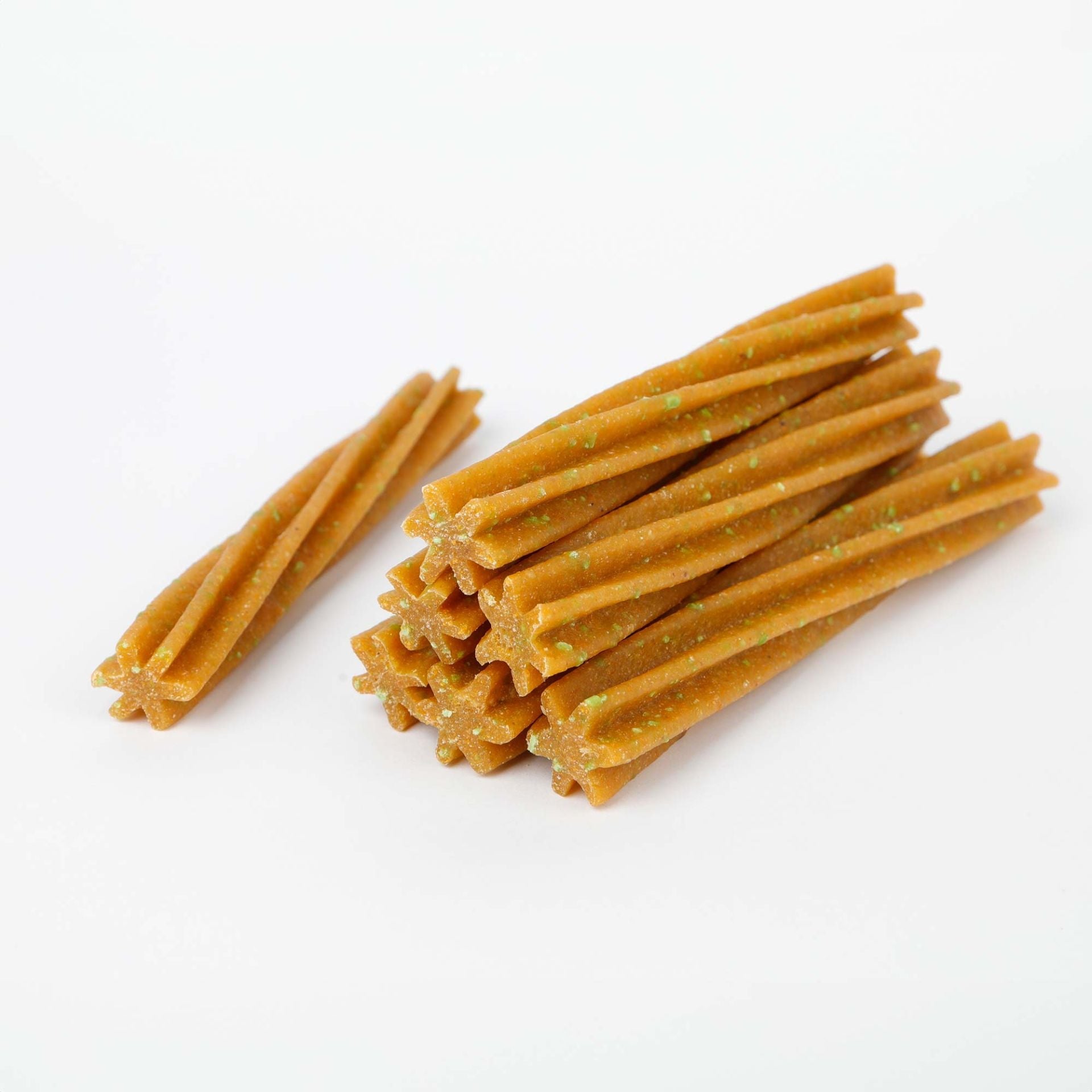
Anything that stimulates saliva production and gently stabilizes daily life is beneficial. Sufficient water, for example. Especially in spring, when dogs are more active and pant more, a dry mouth can intensify odor. A quick rinse with water, if your dog enjoys it, can also help reduce food residue. Some owners also use dental chews because chewing can mechanically remove plaque. This can be helpful, but it doesn't replace dental care, especially in the gum line.
Aggressive home remedies, often recommended online, are less advisable. Anything that strongly irritates, anything that burns, anything intended to "disinfect" the mouth can stress the mucous membranes. Unplanned experimentation with essential oils or highly concentrated mixtures is also not a good idea in a dog's mouth. What feels "fresh" to humans can quickly lead to irritation in dogs.
Another common mistake is focusing solely on the odor while neglecting the dental health. If plaque and bacteria in the mouth are the culprit, a targeted approach is needed. Home remedies can be a helpful addition, but they shouldn't be the primary strategy.
Gentle dental care routine: How to get bad breath under control in the long term
If your dog has bad breath, the gentlest yet most effective solution is almost always regular dental care. And it should be something that fits into your daily routine – a short, recurring ritual. Because what you do a little bit every day is often more effective in the long run than something you do perfectly once a month.
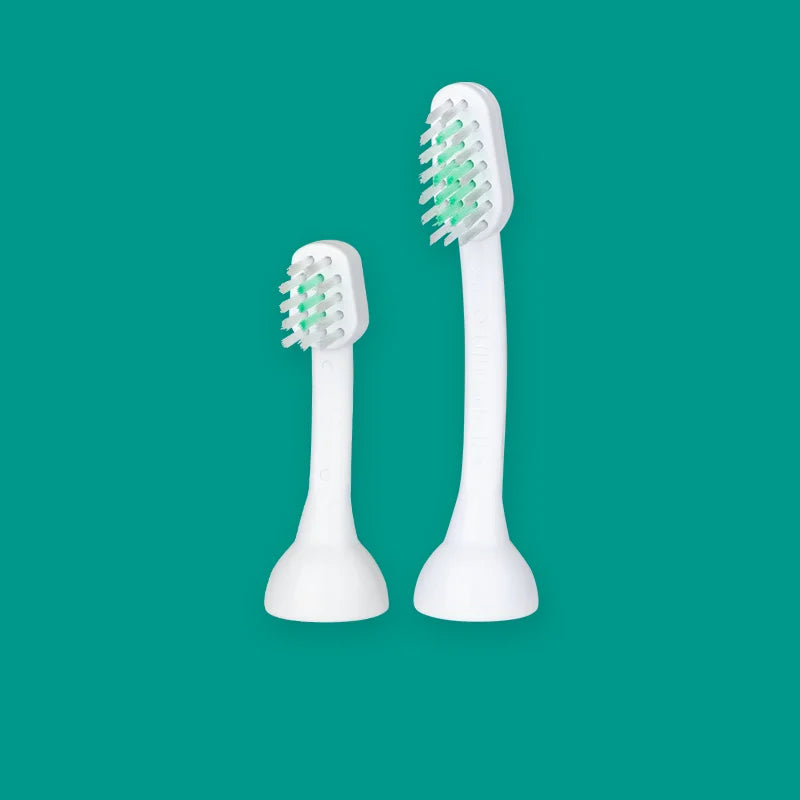
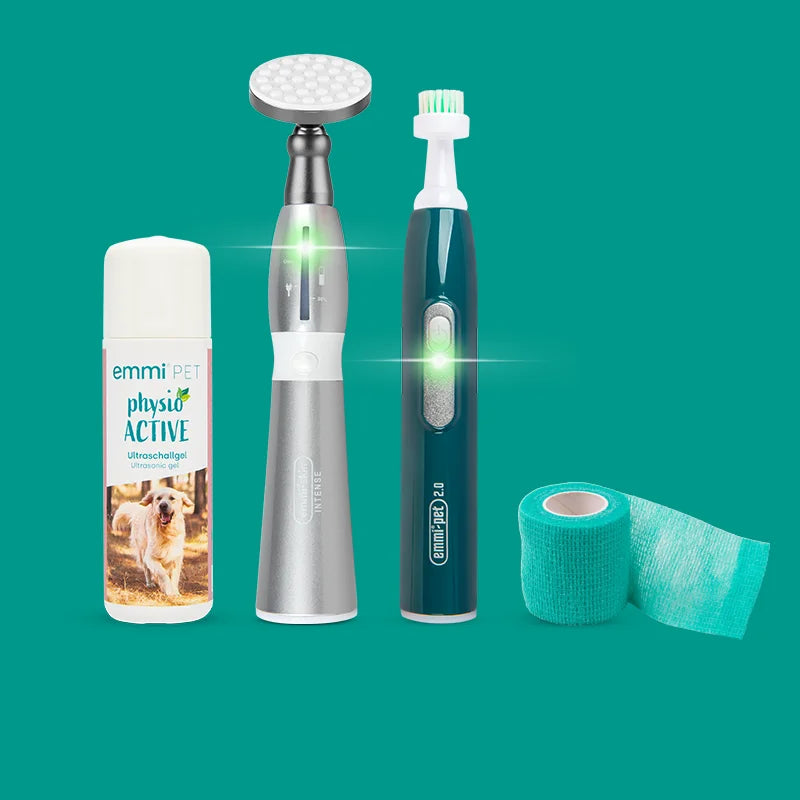
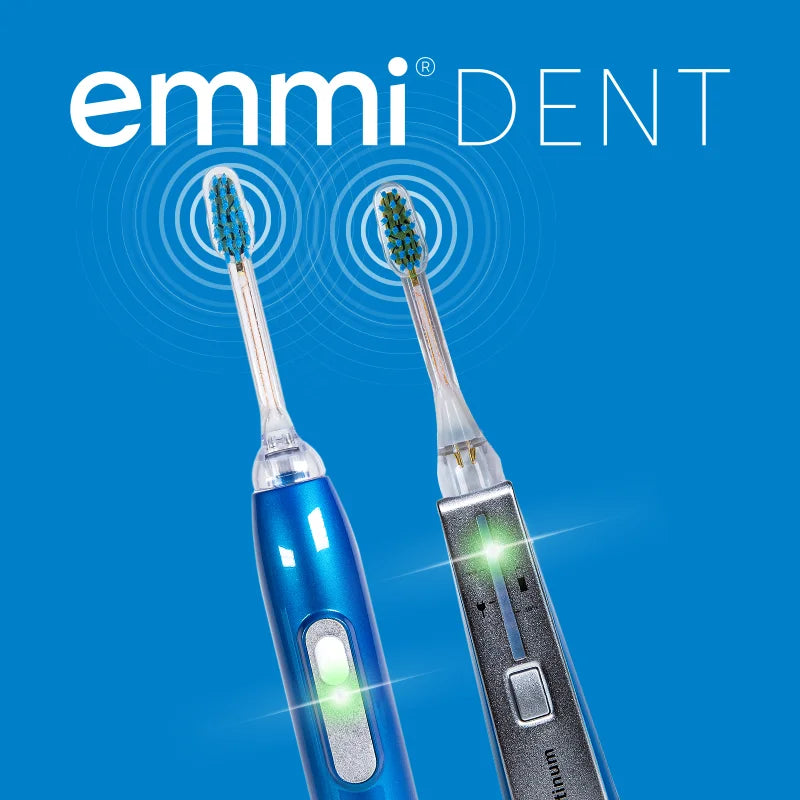
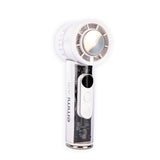
Our emmi-pet ultrasonic toothbrush can be a real help here because it's so quiet to use. You don't have to scrub, you don't have to rush, and you can approach it gradually. This is a huge advantage, especially for dogs who don't like having their mouths touched or who get restless easily. Gentle doesn't mean less effective, but rather less stress for your dog.
As a supplement, our emmi-pet Happy DENT Spray can help round out your routine, especially if you want a little extra help between brushings or when you're out and about. It's important to keep expectations in mind. A spray isn't a toothbrush, but it can be a useful addition when it comes to improving your pet's oral health and making daily care easier.
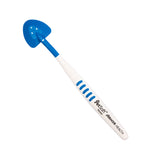
And then there's a little helper that's often underestimated: a lip retractor. Many dogs find it unpleasant when you pull their lips back with your fingers. This can cause pressure and quickly lead to defensiveness. Our Pet Soft lip retractor can help here because it makes it easier to see the teeth and can make the process more relaxed, especially for the molars, where plaque tends to accumulate. The best routine is the one your dog is comfortable with. And if you manage to make dental care calm and regular, bad breath will noticeably decrease in many dogs.
When you should go to the vet
Bad breath is often less serious than it seems, but there are times when you should consider not just grooming, but also seeking medical advice. This is especially true if the odor isn't just "a little stronger," but becomes truly noticeable or suddenly changes. Strong, persistent bad breath in dogs is a sign you should take seriously.
A visit to the vet is advisable if bad breath persists for an extended period despite regular dental care, or if you notice any additional changes. These include reddened or bleeding gums, tartar, visible plaque, sores, or changes in your dog's eating habits. A vet check is also recommended if your dog chews only on one side, drops food, or seems sensitive while chewing. The same applies if the odor has a chemical or pungent smell, or if there are any signs of stomach or intestinal problems, such as frequent grass eating, diarrhea, or vomiting.
And very importantly: If your dog shows signs of pain, won't let you look in its mouth, suddenly snaps, or is drooling excessively, that's a clear reason not to wait. Pain and bad breath always require veterinary attention. Because then it's no longer just about the smell, but about well-being and health.