







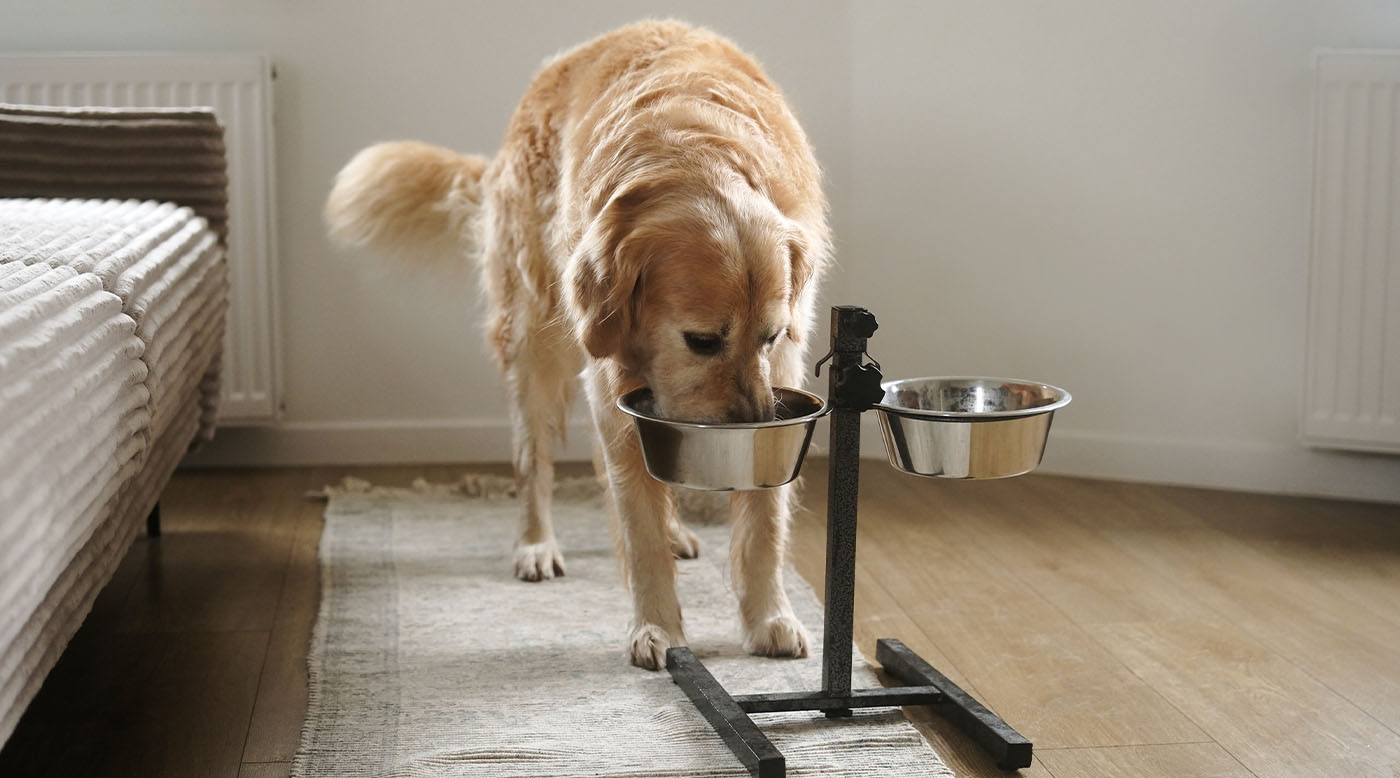
As soon as the bowl is on the floor, the food is already gone. While some dogs chew and enjoy every bite at their leisure, others seem to be in a race against time. Many pet owners therefore wonder whether this hasty eating is simply a peculiarity of their dog or whether a health problem could be behind it.
In fact, gulping is not uncommon in dogs. This behavior often develops especially in multi-dog households or in dogs that have had to compete for food in their past. At the same time, there are other possible causes. Some dogs eat particularly quickly out of habit, others react to stress or inner restlessness. In some cases, even discomfort in the mouth area can influence eating behavior.
The hasty swallowing of food does not always remain without consequences. Those who hardly chew often swallow larger amounts of air. This can lead to digestive problems, and some dogs appear restless or bloated after eating. The risk of choking also increases.
In this article, we explain why some dogs literally gulp down their food, what effects this can have on their health and well-being, and how you can tell when a closer look at the causes is worthwhile.
Why some dogs literally gulp down their food
A dog's eating behavior is influenced by many factors. An important part of this is ancestry. Dogs are descended from animals that often did not receive food in regular portions in the wild. Anyone who found food might have had to eat it quickly before other animals claimed it. Although our domestic dogs are usually reliably fed today, certain behavioral patterns can still be observed.
This becomes particularly clear in dogs that have experienced competitive situations. In animal shelters, large dog groups or previous forms of keeping with several animals, some dogs learn to eat as quickly as possible. Even if the competition has long since disappeared, the behavior often persists.
In addition, personality and temperament play a role. Very active or excited dogs often tend to do things faster in general. This applies not only to eating, but often also to playing, exploring or reacting to environmental stimuli.
Interestingly, stress can also influence eating behavior. A dog that feels insecure or is constantly under tension sometimes shows significantly more hasty eating behavior. This also applies to dogs that have their bowl in a restless place and cannot relax during the meal.
Last but not least, there are dogs that are simply particularly food motivated. For them, eating is one of the absolute highlights of the day. This leads to the bowl being empty within a few seconds, even though everything is medically fine.
That is precisely why it is worthwhile not only to pay attention to the speed of eating, but to include your dog's entire daily routine. Only then can it be assessed whether gulping is merely a peculiarity or whether possible causes should be examined more closely.
What consequences gulping can have for digestion and well-being
Not every dog that eats quickly automatically develops health problems. Nevertheless, persistent gulping can have various effects on the body. The more hastily a dog eats, the less time it has to break down the food and take it in a controlled manner.
A common effect is the swallowing of large amounts of air. This air enters the stomach together with the food and can lead to an uncomfortable feeling of fullness there. Some dogs appear restless after eating, walk around or lie down differently again and again. Others burp more often or show signs of mild digestive problems.
In addition, the food often enters the digestive tract in larger pieces. Although dogs are generally designed to process food differently than humans, very hasty eating behavior can unnecessarily burden digestion. Some dogs react to this with flatulence or occasional gastrointestinal problems.
Especially with large dog breeds, the topic is often discussed, as fast eating is considered one of several factors that can increase the risk of certain stomach problems. Although not every serious illness is caused by gulping, it is nevertheless worthwhile to pay attention to eating behavior that is as relaxed as possible.
Well-being can also be affected. Eating should not only serve to absorb food, but also be a calm and pleasant everyday situation. Dogs that gulp down their meals in a few seconds often experience this phase much more hectically than animals that take their time and eat more relaxed.
Therefore, many veterinarians and behavioral experts consider gulping not only an issue of nutrition, but also a part of general well-being. Knowing the causes and, if necessary, counteracting them can help your dog to make daily meals calmer and more pleasant.
What role do mouth, teeth, and eating behavior play
At first glance, it seems contradictory: why should a dog with mouth problems eat faster? In fact, eating behavior can be influenced by changes in the mouth area, though not always in the same way.
Many dogs with sensitive teeth or irritated gums initially start eating more carefully. However, others develop a strategy in which they chew as little as possible and instead swallow the food quickly. This avoids prolonged contact between food and sensitive areas in the mouth.
Bacterial plaque or incipient gum problems can also impair well-being in the mouth. These changes often occur gradually and are initially hardly noticed by pet owners. The dog appears healthy, continues to eat and shows no obvious pain. Only with close observation are small changes in behavior noticeable.
Examples of indicators can be:
- altered chewing behavior
- one-sided chewing
- frequent smacking
- unpleasant bad breath
- less enjoyment of chew toys
- increased licking over the flews
Of course, fast eating does not automatically mean that there is a dental problem. Nevertheless, oral health should always be one of the areas to consider when there are noticeable changes.
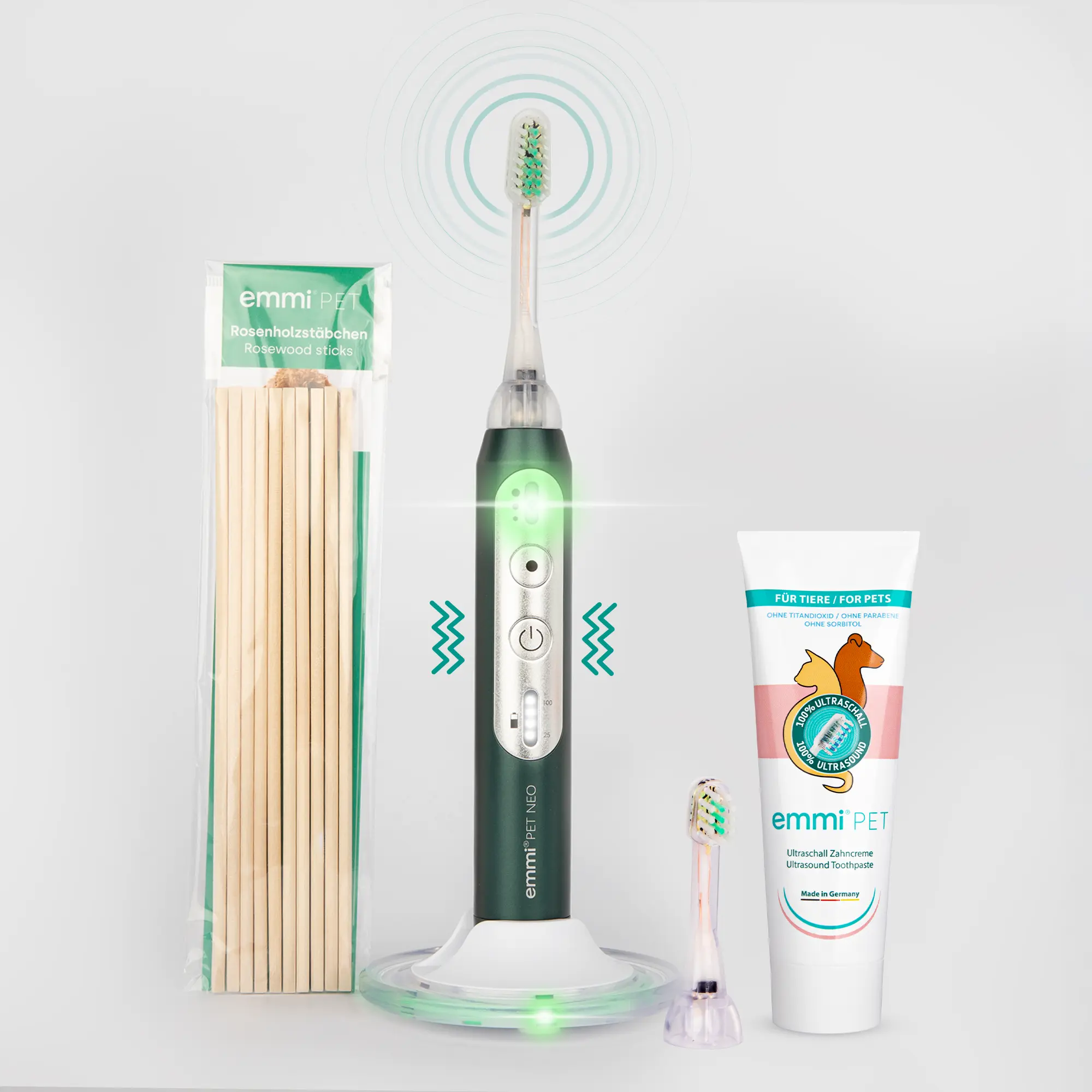
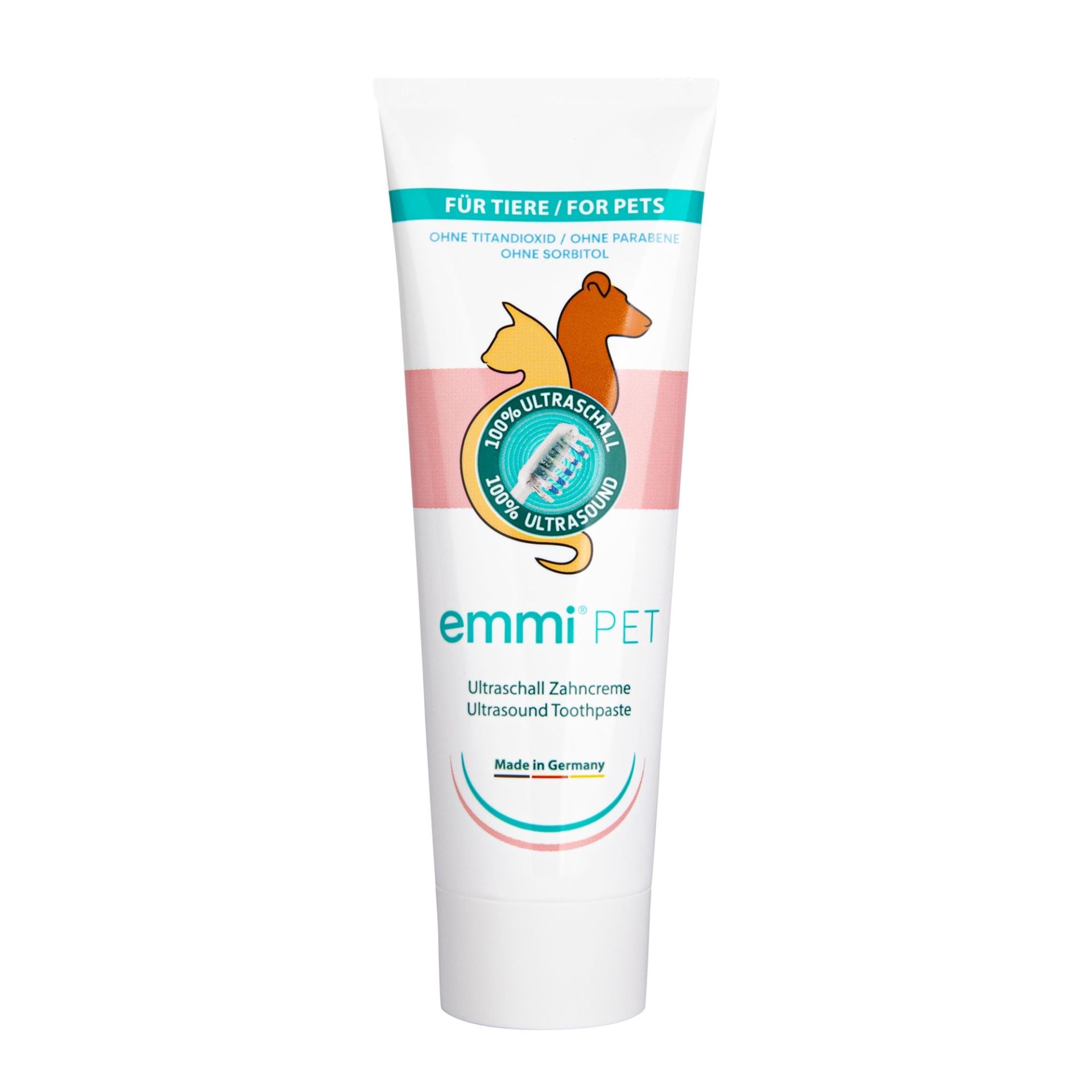
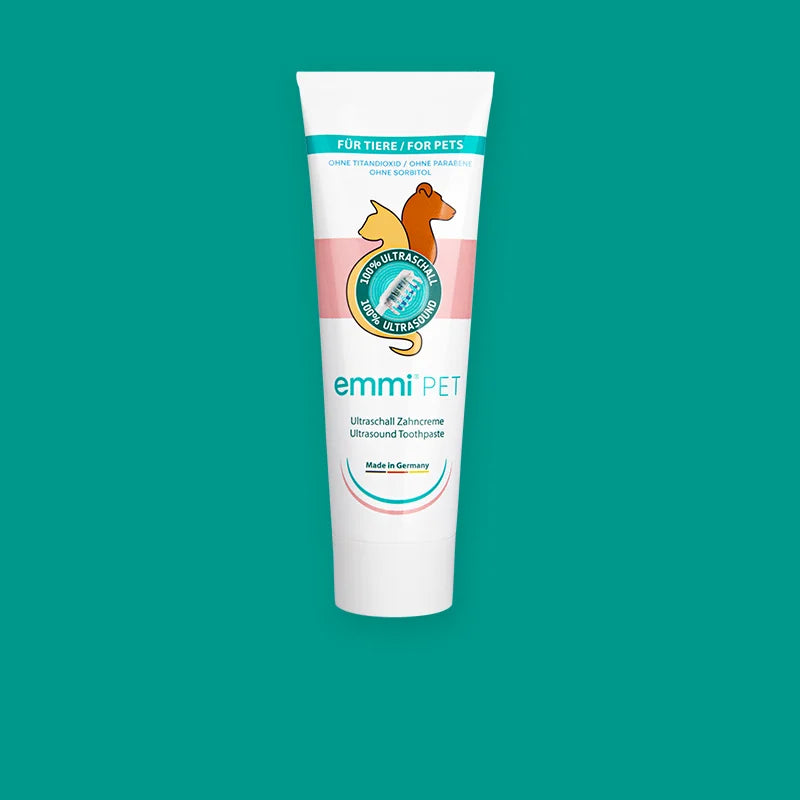
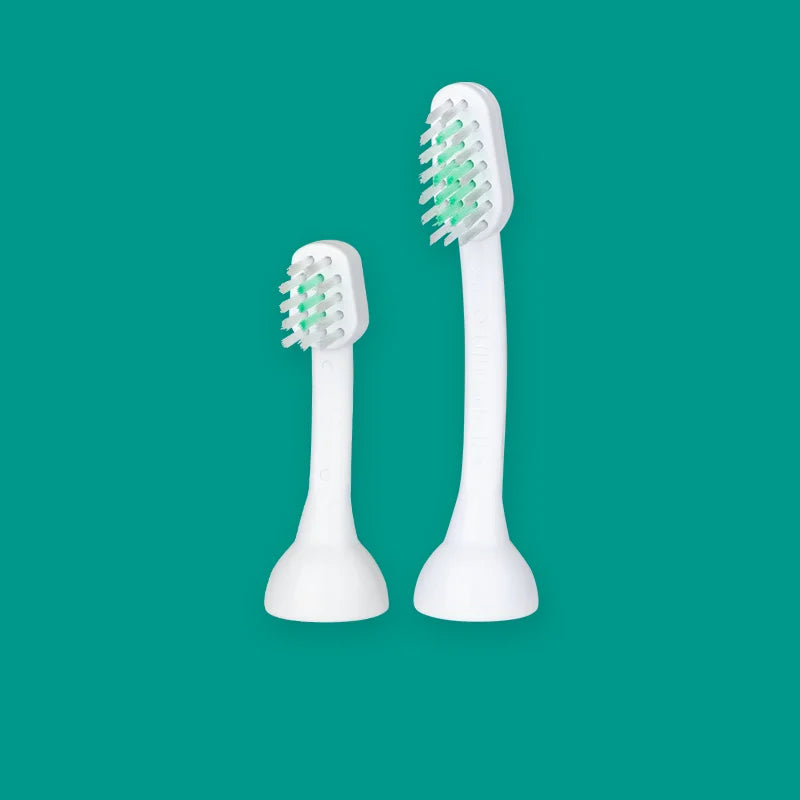
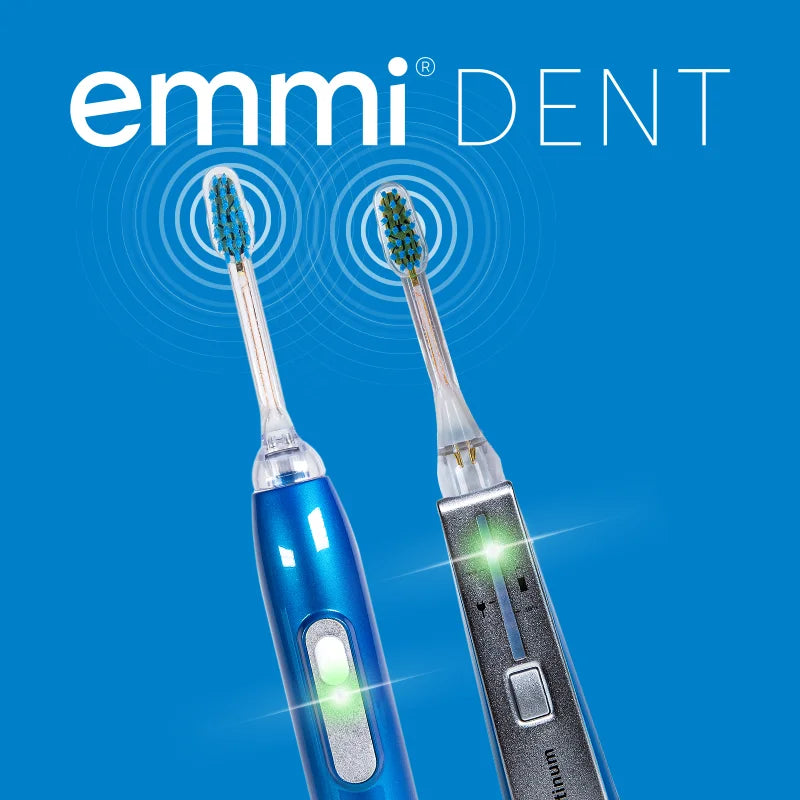
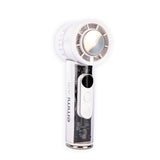
Regular checks of the mouth help to detect changes early. Many pet owners use our emmi-pet ultrasonic toothbrush as part of their daily grooming routine. It can help reduce bacterial plaque and support oral hygiene. Precisely because many changes in the mouth go unnoticed for a long time, regular care plays an important role for long-term oral health.
How to recognize if action is needed
Not every dog that gulps down its food in record time automatically needs support. Many dogs have been eating quickly for years and show neither digestive problems nor other abnormalities. Nevertheless, there are situations in which a closer look is worthwhile.
It is particularly important whether gulping is accompanied by further changes. If your dog regularly seems restless after eating or shows signs of discomfort, you should pay attention. Frequent burping, gagging or regurgitating food immediately after the meal can also be indications that the eating behavior is not optimal.
It is also worthwhile to observe body weight and general condition. Dogs that eat very hastily often perceive their meals less consciously and, despite sufficient food, remain strongly fixated on food. This does not automatically mean that they are not getting enough. However, it shows that the feeding situation could possibly be improved.
Particular attention should be paid to changes that occur suddenly. If a dog that has previously eaten calmly suddenly gulps or significantly changes its eating behavior, health should also be considered. Mouth discomfort, gastrointestinal problems or other physical causes can influence behavior.
At the latest, if the following symptoms also occur, a veterinary examination is advisable:
- vomiting after eating
- significant weight loss
- altered eating behavior
- pain when chewing
- noticeable bad breath
- visible changes to teeth or gums
Veterinary diagnoses always remain reserved for the veterinarian. The earlier changes are recognized, the easier it is to narrow down possible causes and initiate appropriate measures.
How you can help your dog eat more relaxed
If health causes have been ruled out, there are various ways to positively influence your dog's eating behavior. The goal is not to artificially make eating more difficult, but to make meals more relaxed and controlled.
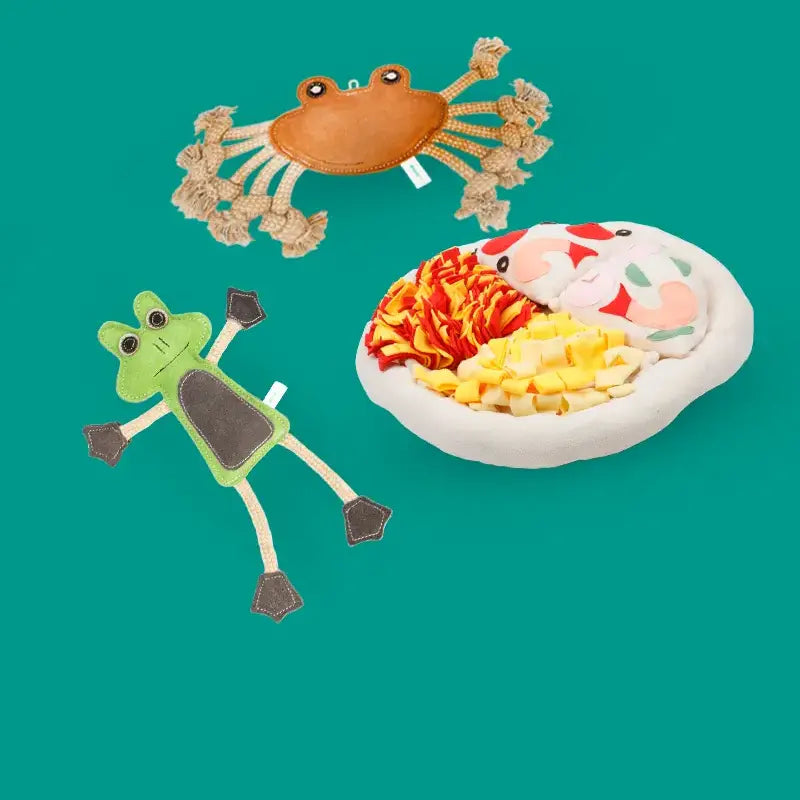
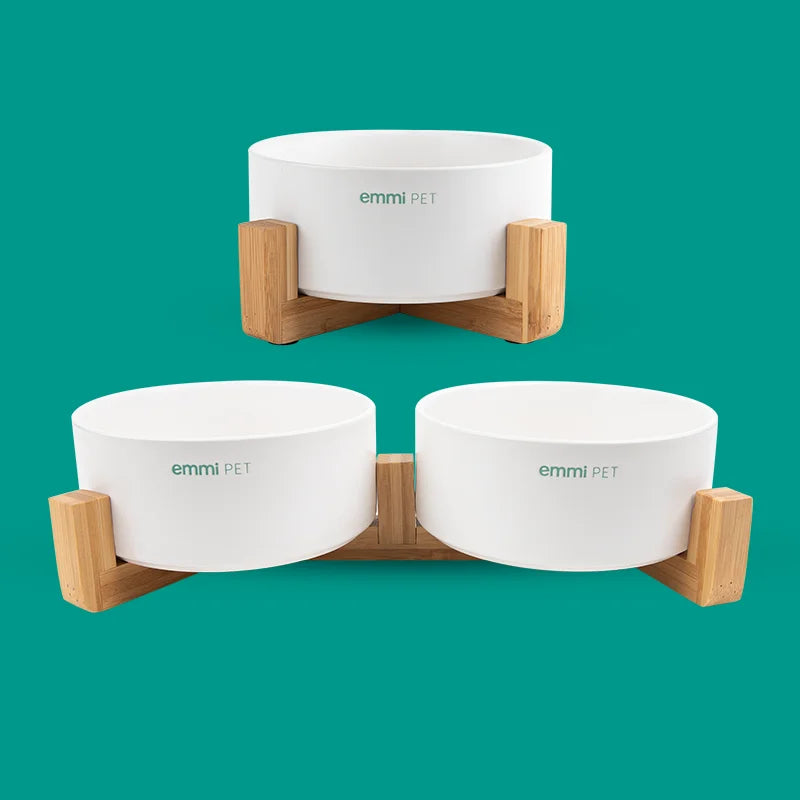
Many dogs benefit from special anti-gulping bowls or food toys. These ensure that the food cannot be consumed all at once and that the dog has to eat more slowly. This extends the meal and often reduces air intake during eating.
The environment is equally important. A quiet feeding place without constant distractions can help your dog concentrate better on its meal. Especially in multi-dog households, it can be useful to feed the animals separately to avoid competitive situations.
Portion size also plays a role. Some dogs cope better with several smaller meals spread throughout the day than with one or two very large portions. This places less strain on the stomach and feeding is often more relaxed.
In addition to nutrition, oral health should also be considered regularly. A healthy mouth helps dogs chew and eat without problems. Many pet owners therefore integrate our emmi-pet ultrasonic toothbrush into their daily care routine. It can help reduce bacterial plaque and support long-term oral hygiene.
If your dog swallows its food very quickly, it doesn't automatically mean there's a problem. Often, habits, temperament, or past experiences play a role. At the same time, gulping can affect digestion and well-being and should therefore not be completely ignored. Those who know the causes, observe carefully, and take appropriate measures if necessary create good conditions for relaxed meals and a happy dog.